

Breast health awareness has a plain definition: knowing how your own breasts normally look and feel, so a change stands out. It is not the old monthly self exam, performed like a test. The American Cancer Society states that research has not shown a clear benefit from regular physical breast exams as screening, and Mayo Clinic notes that most medical organizations do not recommend routine breast self exam as screening, because it has not been shown effective in detecting cancer or improving survival. What the guidance supports instead is familiarity, prompt reporting, and routine screening arranged with your clinician. This guide cannot diagnose anything. It teaches what normal looks like, and what deserves an appointment.
Why the monthly exam ritual was retired
The formal exam asked women to palpate in a set pattern, on a set day, hunting for lumps. The evidence did not follow it: the American Cancer Society finds very little evidence these exams find cancer early alongside screening mammograms. Most breast cancers women find themselves are noticed during ordinary life, while bathing or dressing, not during a scheduled exam. You spot changes in a body you know well, not in one you formally inspect twelve times a year. Awareness can supplement screening. It cannot replace mammograms.
Breast health awareness in practice: the five point code
The NHS teaches breast awareness as a five point code:
- Know what is normal for you
- Know what changes to look and feel for
- Look and feel
- Report any changes without delay
- Attend routine screening when invited
The look and feel has no right or wrong way, per NHS guidance. Mirror first, arms by your sides, then raised; then feel the whole breast in a circular motion, to the collarbone and under each armpit, mixing light and firmer pressure. The setting is whatever makes it a habit: shower, dressing, bed. NHS guidance puts the rhythm at around once a month, and Mayo Clinic adds a timing tip: in the week after a period ends, breasts are least tender and your normal is easiest to read.
What normal actually feels like
Normal is your pattern, and it has three features worth learning. First, breasts are rarely identical: one larger than the other is normal, and your own asymmetry is part of your normal. Second, texture moves with your cycle: NHS guidance describes breasts becoming more tender and lumpy near a period, often towards the armpit. Third, texture changes across life: after menopause, breasts usually feel softer, less firm and less lumpy than before.
One thing you cannot learn by feel is density. Mayo Clinic states it directly: you cannot see or feel the difference yourself. Density shows only on a mammogram, and it appears in roughly half of women screened. It is why awareness and screening do different jobs.
The eight changes worth reporting
The NHS list of changes to report is short and specific, and its reassurance matters: most changes are not cancer, and you are not wasting anyone’s time by getting one checked.
| Change | Context from the sources | The action |
|---|---|---|
| New lump or thickening in the breast | Many lumps are benign; only an examination can tell which | Book a clinician appointment |
| Change in size or shape | Cycle and weight shifts move both breasts gradually; a change new for you counts | Book a clinician appointment |
| Skin dimpling or puckering | Skin that looks pulled in, or textured where it was smooth | Book a clinician appointment |
| Redness or a rash | Can follow irritation or infection; a new nipple rash counts too | Book a clinician appointment |
| Nipple inversion or a change in the nipple | Matters when new; a nipple always turned in is your normal | Book a clinician appointment |
| Discharge from a nipple | Especially when it is new, or comes from one nipple only | Book a clinician appointment |
| Persistent one sided pain | Usually cyclical and common; pain fixed in one breast that does not settle gets checked | Book a clinician appointment |
| Lump or swelling in the armpit | Glands swell with infection too; a lump that stays gets reported | Book a clinician appointment |
Pain gets one extra line, because it is the change women search for most: our guide to why are my breasts sore maps the common patterns and which need a clinician.
Screening, in general terms
The guideline bodies differ slightly on the timetable. The U.S. Preventive Services Task Force recommends a mammogram every other year for women aged 40 to 74, a grade B recommendation, and finds evidence insufficient to judge screening after 75 or for dense breasts. The American Cancer Society gives women the option to start annual screening at 40 to 44, recommends annual screening from 45 to 54, then every other year or continued annual screening from 55, continuing while a woman is in good health and expected to live at least 10 more years. Neither timetable is a personal instruction: your own schedule belongs in a conversation with your clinician. Exercise sits in the same picture, at honest strength: see how exercise impacts breast health for what it is associated with, and cannot do.
Where a bra honestly fits in
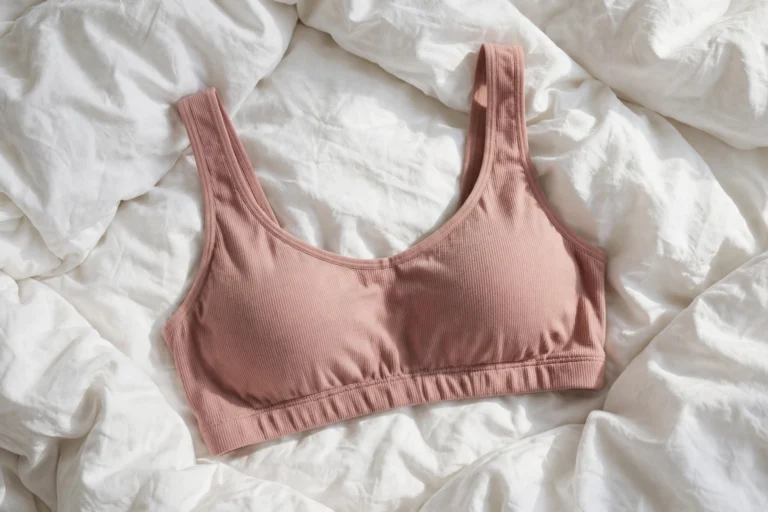
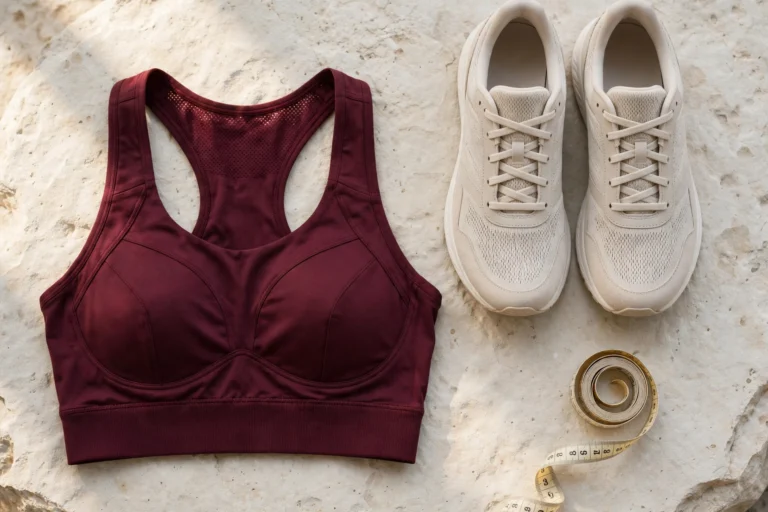
A bra detects nothing and prevents nothing. The honest connection is smaller: awareness asks you to notice how your breasts feel, and a bra that digs or rides up buries that signal under fit pain. A quiet bra makes your normal easier to read. The three picks below were chosen only for comfort that does not distract. If your current bras are loud, start with how to find your bra size at home, and for sports bras, the five checks in how should a sports bra fit.
Affiliate disclosure: Stellaleah is reader-supported. When you buy through links in this article, we may earn an Amazon Associate commission at no extra cost to you. That is how the research behind guides like this gets funded. Product details below come from manufacturer and retailer specifications checked at the time of writing.


The soft cup that stays quiet: Fantasie Illusion Side Support Bra (FL2982)
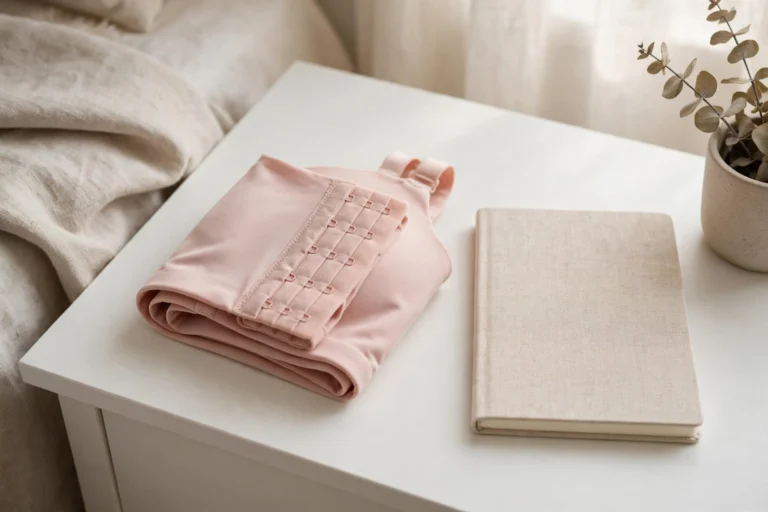
The Illusion is an unlined soft cup with structure, for women whose everyday bra announces itself by noon. Freemans carries the brand specification: wide wires for comfort and support, a three piece cup with side support, and a flat lace top cup with a stretch band along the neck edge, which flexes as your size moves across the month instead of cutting in. The straps are fully adjustable. The cup is unlined, so it follows your shape rather than padding over it.
Pros
- Stretch band at the neck edge flexes with normal monthly fullness
- Wide wires spread pressure instead of poking
Cons
- Unlined cup shows more outline under thin tops
- Hand wash only
Key Specs
| Row | Detail |
|---|---|
| Support | Firm everyday support, underwired (not sports rated) |
| Size range | UK bands 30 to 42, cups D to J (top cups in fewer bands) |
| Closure | Padded hook and eye, 2 hooks in D to FF cups, 3 hooks in G to J |
| Construction | Unlined three piece soft cup with side support, wide wires, stretch band at neck edge |
| Adjustability | Fully adjustable straps; hook and eye band |
The wirefree day off bra: Wacoal B-Smooth Bralette (835275)
For tender days, the B-Smooth removes every piece of hardware at once: no wire, no hooks, no sliders. Macy’s lists style 835275 as a wire free bralette with soft cups and removable pads, in a seamless nylon and spandex knit with wide straps and full coverage. It pulls on, and that is the whole fitting story. Support is light by design: the bra for days when the goal is to feel almost nothing.
Pros
- Zero hardware: nothing to dig or poke on a tender day
- Removable pads, so coverage is your choice day to day
Cons
- No adjustment anywhere: fit rests on choosing the right size
- Light support only: not the bra for high movement days
Key Specs
| Row | Detail |
|---|---|
| Support | Light everyday support, wirefree (not sports rated) |
| Size range | US band sizing, no cup letters (full span to confirm in catalog) |
| Closure | Pull on, no closure |
| Construction | Seamless knit, soft cups with removable pads, wide straps, 79% nylon and 21% spandex |
| Adjustability | None (removable pads only) |
Full bust structure without the fight: Panache Jasmine Balconnet Bra (6951)
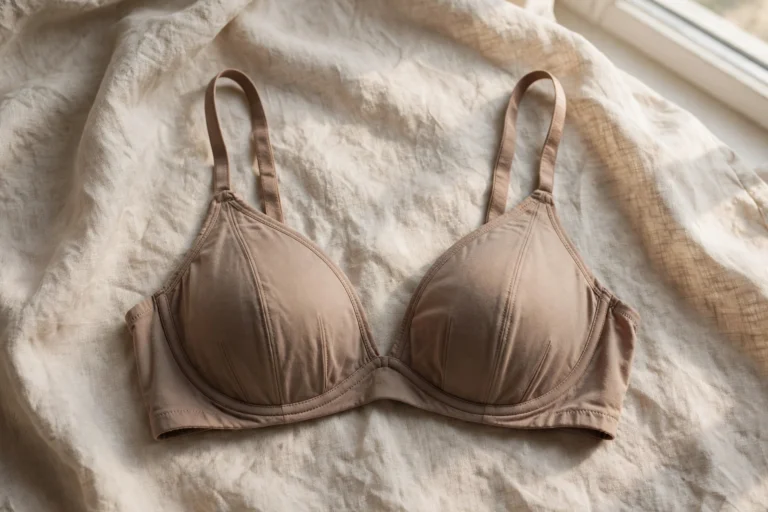
Fuller cups need structure, and structure is usually where the distraction starts. The Jasmine answers with a stretch lace top cup over firm laminated lower cups: the top flexes across the cycle, the bottom holds its shape all day without readjusting. Bratabase fit records show 2 hooks in smaller sizes and 3 in larger, and a size run reaching a K cup on a 28 band, which is rare. The band stops at 38: this is a full cup pick, not a full band pick.
Pros
- Stretch lace top cup flexes with monthly change instead of cutting in
- Firm lower cups hold shape all day, with nothing to readjust
Cons
- Laminated lower cups feel firm at first wear
- Band stops at 38; the profile is projected, not rounded
Key Specs
| Row | Detail |
|---|---|
| Support | Firm everyday support, underwired balconnet (not sports rated) |
| Size range | UK bands 28 to 38, cups D to K (grid narrows by band) |
| Closure | Hook and eye, 2 hooks in smaller sizes, 3 hooks in larger |
| Construction | Laminated lower cups with stretch lace top cup, underwired |
| Adjustability | Adjustable straps; hook and eye band |
Common questions
Do I still need to check on a schedule?
Keep the habit, drop the exam framing: NHS guidance suggests around once a month, in a setting you will actually repeat. The goal is familiarity, not a test you can pass or fail.
I found a lump. What happens next?
Book a clinician appointment; do not wait another cycle. Reporting without delay is the NHS wording, and most changes turn out not to be cancer.
Can a bra cause breast changes, or hide them?
Nothing in the guidance lists bras among causes of breast change, and checking is done by look and feel on skin, never through a bra. A bad fit only hides your normal behind fit pain.
What if I have dense breasts?
Density is read from a mammogram, not felt. The Task Force found the evidence on extra screening for dense breasts insufficient to judge, so whether you need more than a mammogram is a clinician conversation.
The bottom line
Know your normal, report changes promptly, and keep screening appointments on the schedule your clinician sets. The exam ritual is retired; attention is not. The five point code, the eight changes, and a quiet bra are the working version of breast health awareness now.

One Comment