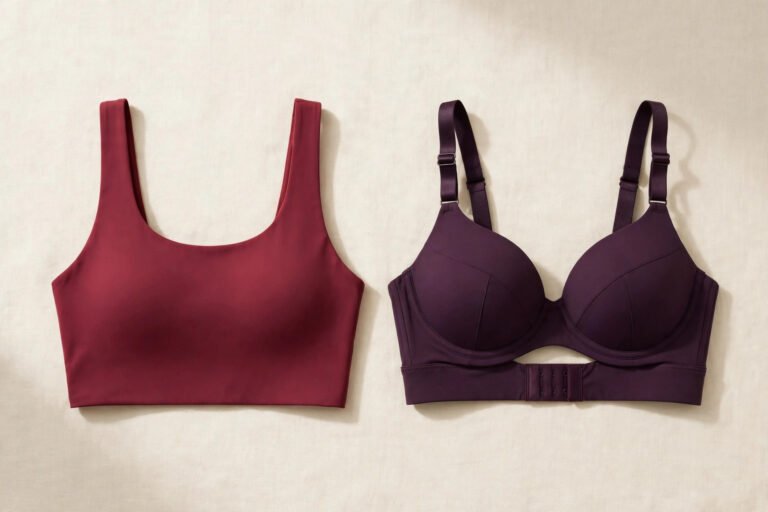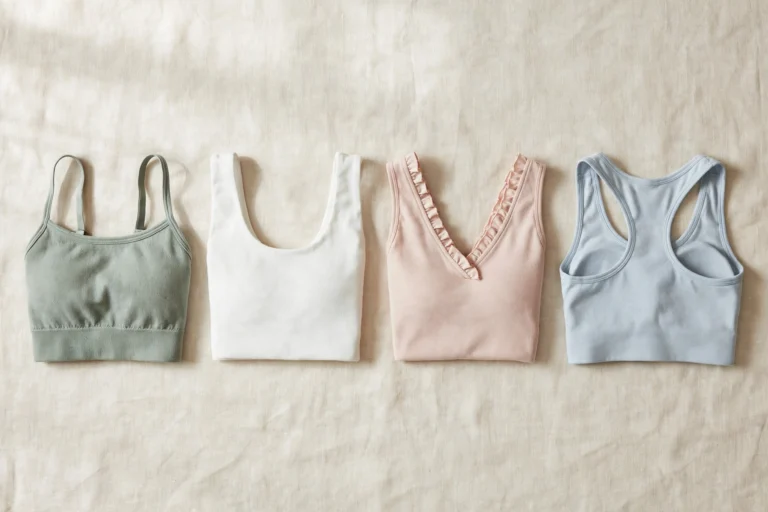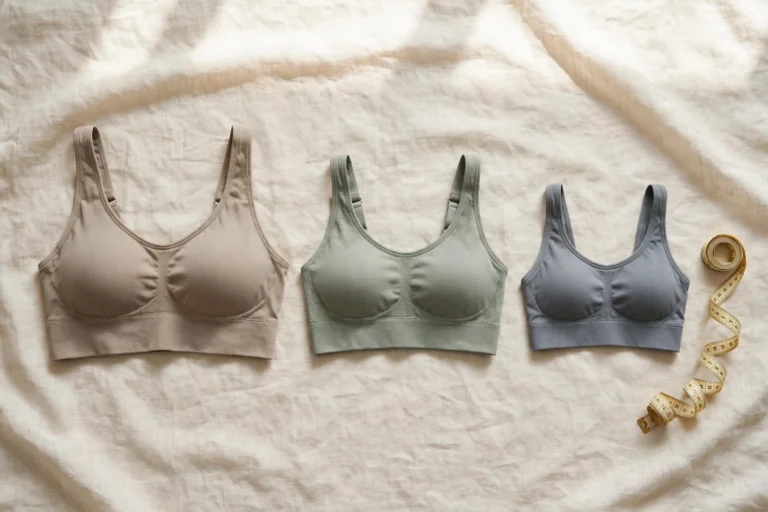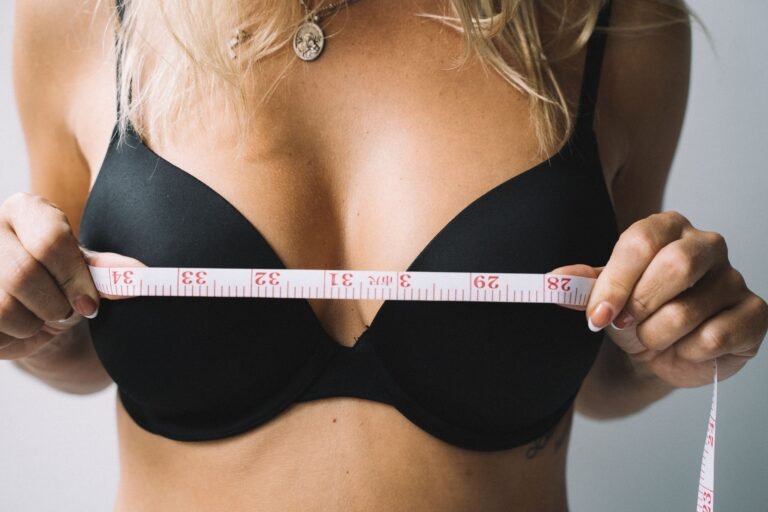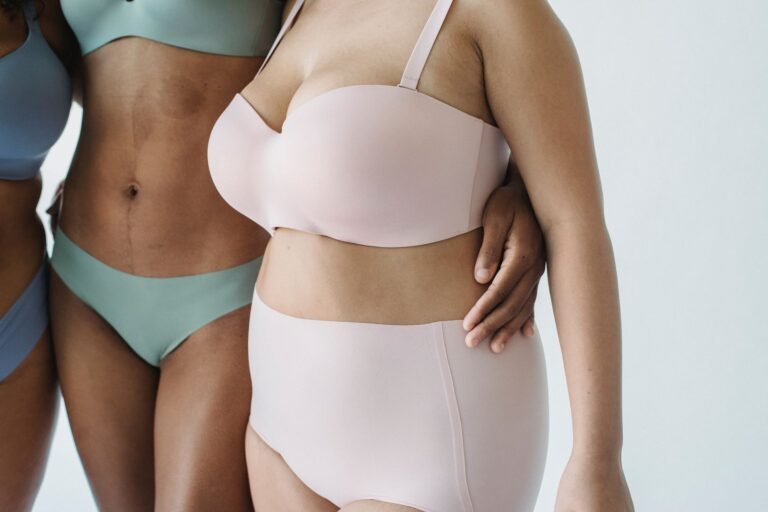
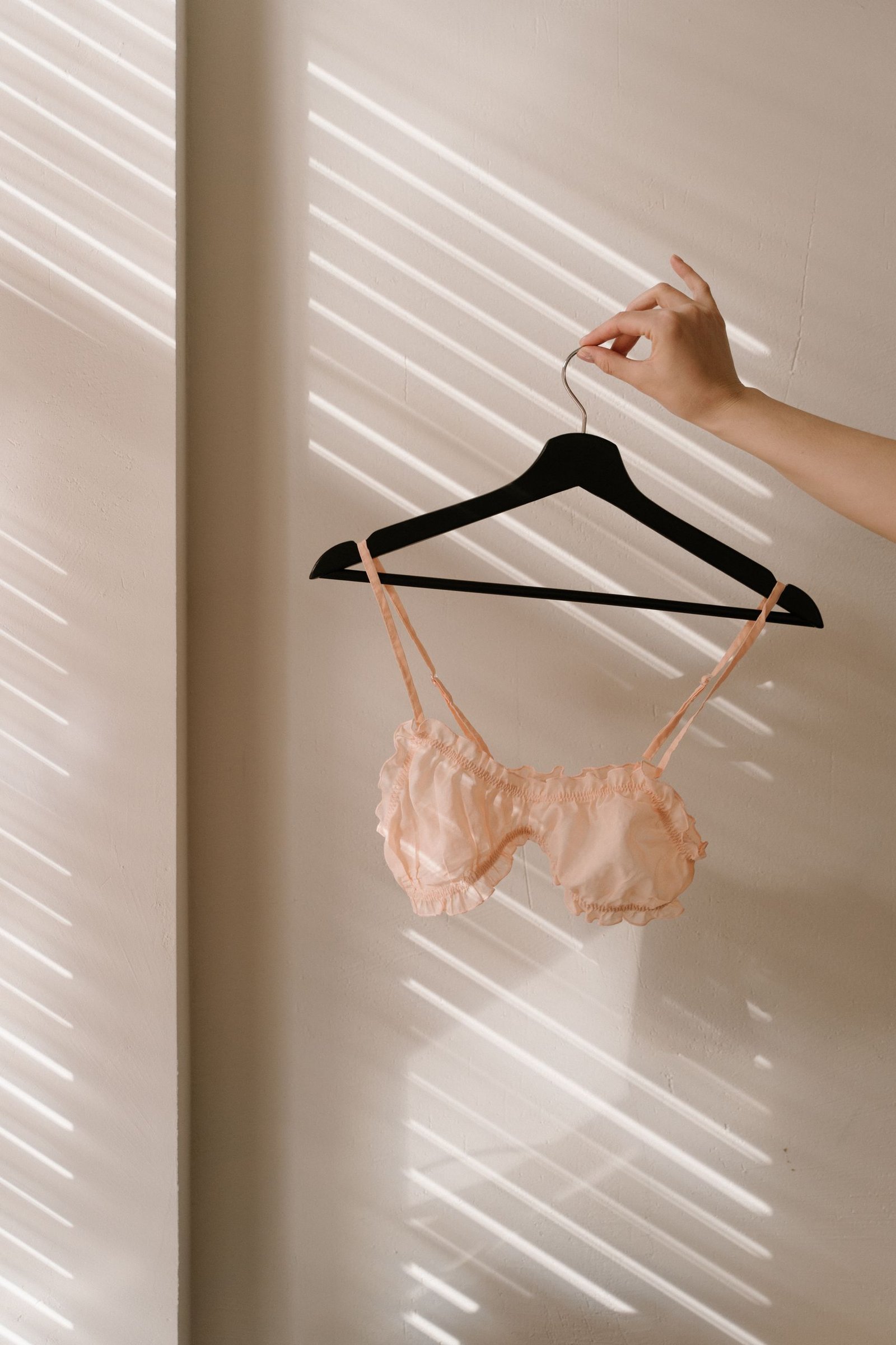
The best summer bras are the ones that let air move and let sweat leave, not the ones with the most padding. An unlined or lightly lined bra in a breathable fabric, with mesh ventilation, will feel better on a hot day than any molded foam cup. Winter asks for the opposite skill: a smooth bra that disappears under knits. And a holiday wardrobe asks for a bra that adapts to the neckline instead of fighting it.
The point is not to buy a new bra for every month. Most women need a small seasonal rotation, not a new drawer: two or three breathable bras, one or two smooth bras, and one convertible for party dresses. No season changes your size by itself. If the fit feels different, the answer is a fresh check against our measurement guide and the bra size calculator, not a guess.
Summer Bras at a Glance
| Season or moment | What changes | The bra that works | Watch for |
|---|---|---|---|
| Summer heat | Sweat, humidity, thin tops | Unlined or lightly lined, breathable fabric, mesh ventilation | Foam padding that traps heat; thin straps that dig in on damp skin |
| Winter layers | Knits, thermals, static | Smooth, seamless, lightly lined under sweaters | Lace and seams that print through knits; a bra worn over a thermal layer |
| Vacation | Heat, packing, hand washing | Two breathable bras plus one convertible, in skin tone and black | Overpacking; a white bra under white tops |
| Holiday and party | Low necklines, bare backs, long evenings | Convertible or strapless with silicone edges; plunge for deep Vs | A strapless bra with a straight-across band that slips; a regular bra under a backless dress |
Four seasons, one rule running through all of them: choose the bra for the layer closest to your skin, and let the outfit decide the rest.
Summer Bras: What Makes a Bra Cooler in the Heat
A cooling bra is a construction, not a label: fabric that moves moisture away from the skin so it can evaporate, instead of holding warmth against the body. ThirdLove puts the shopping list plainly: breathable fabric, built-in ventilation, wide straps, and unlined cups, and skip heat-trapping foam padding.
Fabric comes first. Cotton feels soft and lets air move freely, which makes it a solid choice for relaxed days, and moisture-wicking synthetics go a step further by pulling sweat off the skin so it dries faster. ThirdLove notes that some brands build the cooling into the yarn itself: its TempSync line uses 37.5 Technology, with volcanic mineral particles embedded in the fiber. That is a manufacturer claim, not a measured result for every cooling bra.
Unlined cups and mesh do the rest. An unlined bra has no padding to trap heat and sweat, so it is naturally lighter and more cooling, while a lightly lined cup is the middle ground for a smooth outline under a fitted top. Mesh panels let air move through the cups and band. ThirdLove describes mesh as sheer material that allows air to flow freely, helping skin cool and dry. One caution: a sheer mesh cup shows more under a thin white top, so save the sheerest mesh for darker tops.
Straps and fit matter more in summer than in any other season. Wide, cushioned straps spread weight and stay comfortable when skin is warm and damp, while thin straps dig in fast. No fabric can fix a bad fit: a band that is too tight traps heat and limits airflow. ThirdLove states it plainly: getting the fit right is the first step to staying cool. If your summer bra feels hot, check the band first. Our guide on how bra sizing works explains the band and cup relationship.
A fuller bust does not have to trade support for airflow. The better answer is a breathable construction in the right size with wide straps, not a size down, which usually costs support. Our guide to bras for different body types covers the same ground. For the sports side of summer heat, our guide to sports bras for summer answers it activity by activity.
Sweat under the bust is a fabric problem, not a body problem. The area gets little airflow, so moisture and heat get trapped there. Cotton absorbs excess moisture, a bra liner absorbs it before it can pool, and a loose linen top over an unlined bra will feel cooler than a fitted synthetic top over the best cooling bra made.
Winter Layers: How Layers Change the Fit
Winter asks three things at once: warmth, a fit that survives layers, and a smooth line under knits.
The first rule is the one most people get wrong: the bra goes against the skin, and warmth goes over it. A layer under the band adds thickness the band was never sized for, so the same bra rides up while the cups sit wrong. If you wear a thermal base layer, put the bra on first, in your usual size, and let the thermal go over it. The exception is a built-in-bra thermal, which replaces both layers at once; our sister site covers those options in its guide to thermal tops with built-in bras and its budget thermal tanks with built-in bras, linked here as references only.
Under sweaters, smooth wins. Knitwear shows texture: seams, lace edges, and embroidery all print through a sweater, so the winter everyday bra is a smooth contour or seamless style. Niidor makes the same point for fitted knits: choose smooth cups, minimal stitching, a clean edge, and a shade close to your skin tone, with enough support and no heavy padding. Thicker sweaters are far more forgiving. Avoid unnecessary bulk: if the sweater already has a heavy silhouette, a heavily padded bra can make the upper body feel fuller.
Wireless bras earn their place in winter. Wacoal calls the wire free bra the perfect foundation for stylish layering, because it is comfortable and supportive without a wire digging in under layers that press against it all day. Look at the layer sitting directly over the bra, because that layer decides what will show. A molded style suits button-downs, a T-shirt bra suits a skimming top, and a bralette suits a relaxed day. For color, a nude tone beats a white bra under white or cream tops, as our bra color guide explains. For the sports side of winter, our guide on sports bras for winter running answers it activity by activity.
Vacation Dressing: Pack Light, Choose Twice
A vacation tests a bra drawer in a way ordinary weeks never do. The answer is to pack light and choose twice, once for the climate and once for the necklines.
Pack two breathable bras and one convertible. Two breathable bras, one in a skin tone close to yours and one in black, cover nearly every daytime outfit. The convertible is the third bra, and it earns its place in the suitcase: with detachable straps it becomes a strapless, halter, or criss-cross bra, so it covers the sundress, the off-shoulder top, and the evening dress without a fourth bra in the bag. Three bras for a week is enough for most trips: one to wear, one resting, one drying after a hand wash.
Hand washing on the road is a skill worth learning before you leave. A bra washed in a hotel sink with a little gentle soap, pressed in a towel rather than wrung, and laid flat to dry will be ready the next morning in most climates. Our bra care and washing guide covers the full washing and drying method. A molded foam cup takes longer to dry than an unlined cup, which is another reason the unlined bra is the better travel companion. Pack the cups, do not fold them: stack bras cup to cup and fill the cups with rolled socks so they do not crush.
Holiday and Party Dressing: Necklines Decide
Holiday dressing is the one seasonal moment where the bra is chosen by the dress, not by the weather: the neckline, the back, and the shoulders decide everything.
A convertible bra is the most useful holiday bra most women own. The most useful strapless styles are sold as convertible bras with optional shoulder straps, some capable of switching to a racerback, X-back, or asymmetrical configuration. AARP names that versatility directly: one bra covers a strapless dress, a one-shoulder top, and a halter neckline across a holiday week. Instead of a straight-across bandeau that does little, look for a bra with a curvy top-line, amply sized cups that are lightly lined for shape, and silicone edges to help it stay put instead of slipping and sliding, in AARP’s words.
Match the bra to the neckline, not the other way round. A plunge bra suits a deep V, because the low centre gore sits below the neckline. An adhesive bra suits a backless dress, because there is no back band to show when the jacket comes off. Niidor frames the choice well: a regular bra is more practical when the neckline is high and the back is fully covered, while an adhesive bra makes more sense when the neckline is low or wide, the back is exposed, or several layers may be removed during the day. Our guide to the perfect bra for every neckline matches bras to necklines one by one, and our guide to bras under different clothing types covers the same ground for everyday outfits.
Think about what happens when layers come off. A holiday outfit often starts with a coat, a blazer, or a cardigan on, and the bra that looked hidden under all of it can suddenly become visible when the outer layer comes off. Niidor calls this the easiest thing to forget: consider the least-covered version of the outfit before choosing the bra. Try the holiday bra on with the dress, not on its own, and check that the band stays level and you forget you are wearing it. If you are adjusting it every ten minutes at home, you will be adjusting it all night at the party. For the sporty side of the Christmas season, our guide to the perfect Christmas sports bra covers the festive workout ground.
The Seasonal Rotation: How Many Bras and When to Swap
A seasonal rotation is three groups, not three drawers. The summer group is two or three breathable bras, the winter group is one or two smooth bras, and the occasion group is one convertible bra. That is five or six bras in total, and it covers nearly every outfit a year brings.
Rotate them, and rest them. A bra needs a day of rest between wears so the elastic recovers, and washing every three to four wears keeps the fabric working longer. Our bra care and washing guide covers the rotation and the washing method in full. A bra worn every day without rest will lose its support faster than two bras worn in rotation. Swap the rotation when the weather changes, not when the calendar says so. Check the fit when the season changes. Bodies change across a year, and a bra that fit in July may not feel the same in January. If the band rides up, the cups gape, or the straps slip, check the fit against our measurement guide and the bra size calculator before buying a replacement in the old size. Our guide to best bras for everyday wear covers the everyday styles that anchor any rotation.
Questions Readers Ask Most
Do summer bras really keep you cooler?
Yes, when the cooling is built into the construction rather than printed on the label. A breathable, moisture-wicking fabric, mesh ventilation, and unlined cups that hold no heat against the body will all feel cooler than a foam molded cup in the same size. ThirdLove puts it plainly: the right features make the difference between a bra that breathes and one that bakes. Fit still comes first, because a band that is too tight traps heat no matter how breathable the fabric is.
Should I change size between summer and winter?
No. No season changes your size, and no chart can tell you what size you will be in a different month. What changes is how a bra feels: heat makes skin softer and sweatier, and layers add thickness under the band. If the fit feels different, check it against our measurement guide and the bra size calculator rather than guessing a size up or down for the season.
What bra works under a holiday dress with a low back?
An adhesive bra, or nipple covers if the dress gives enough support on its own and the only job is coverage. A traditional bra cannot work under a backless dress because the back band stays visible. Niidor names the adhesive bra as one of the simplest options when you need shaping and coverage without a back strap. Try it on with the dress and move in it, because an adhesive bra that looks hidden while standing still may show when you sit or reach.
Can I wear the same bra under a sweater and a T-shirt?
Usually, yes, if it is a smooth, lightly lined T-shirt bra in a skin tone close to yours. The exception is a fitted knit, which shows seams and edges more than a T-shirt does, so a seamless cup is the safer choice there. Our guide to bras under different clothing types covers the outfit-by-outfit logic.
The Short Version
The best summer bras are unlined or lightly lined, breathable, and ventilated, with wide straps and no foam padding trapping heat. In winter, switch to a smooth seamless bra that disappears under knits, wear the bra against the skin with warmth over it, and let a built-in-bra thermal replace both layers on the coldest days. For vacation, pack two breathable bras and one convertible, in skin tone and black. For holiday dressing, let the neckline choose the bra: convertible, strapless with silicone edges, plunge, or adhesive. No season changes your size, and no single bra does every job.