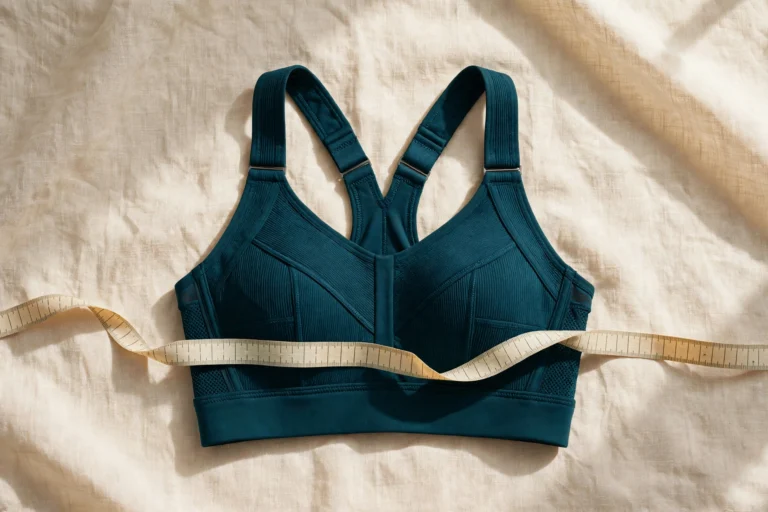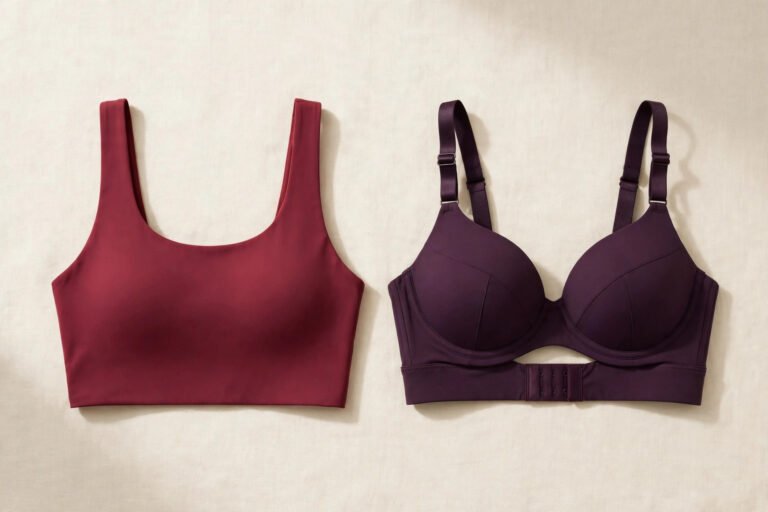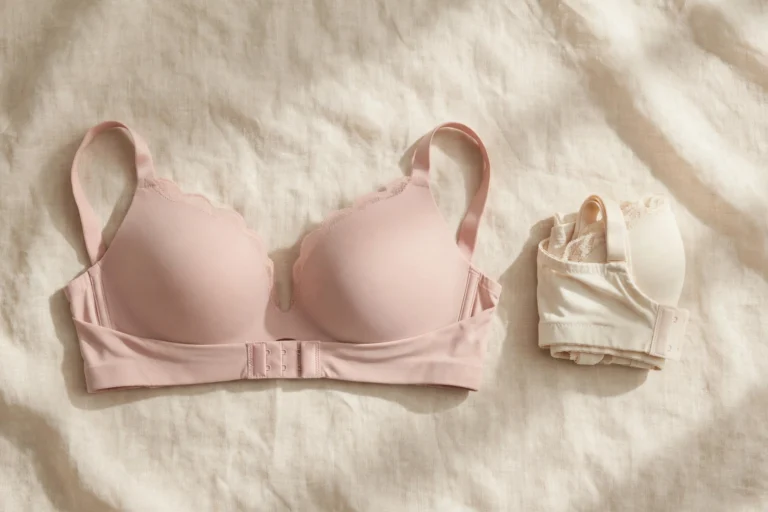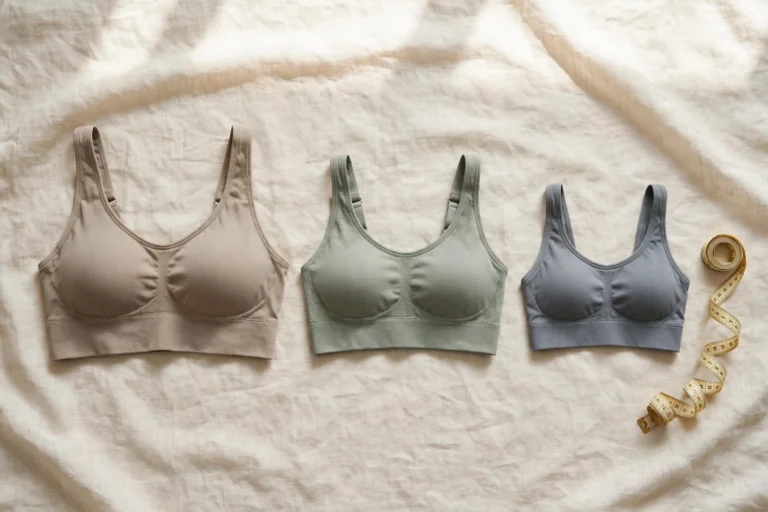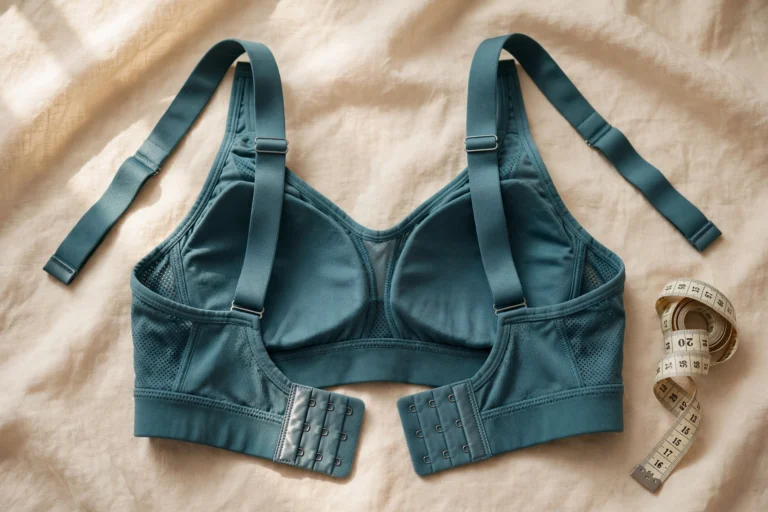
The most common teen bra fit problems are a band that rides up, straps that slip off, cups that gape, an underwire that pokes, and a bra that shows through under a school shirt. Every one of them has a practical fix, and most of those fixes start with the style of the bra, not with a new size rule. A bra that fits a teen well sits level all the way around, stays put through a school day, and disappears under her clothes. If it does none of those things, the bra is wrong, not the body wearing it.
Fit trouble is common at every age. In a 2010 study of 104 women, researchers at the University of Wollongong found that 85 percent were wearing ill-fitting bras. A teen is learning all of this for the first time, while her body is still changing. The goal of this guide is to name each fault and give the next thing to try.
This guide covers everyday bras only. The adult version of this ground lives in our guide to signs your bra does not fit, the first-bra faults are answered in our first bra problems and solutions guide, and sports fit has its own rules in our sports bra fitting problems guide.
Common Teen Bra Fit Problems at a Glance
| Problem | What it usually means | First thing to try |
|---|---|---|
| Band rides up at the back | Band is too loose | A smaller band with a cup letter up to hold the same volume |
| Straps keep slipping off | Band too loose, or straps set too wide for narrow shoulders | Shorten the straps, then try a racerback or center-pull style |
| Cups gape at the top | Cup too big, or cup shape does not match | A smaller cup, or a demi or shallower cup style |
| Underwire pokes | Cup too small, wire the wrong shape, or a worn channel | A different cup or wire shape, or a wireless style |
| Bra shows through school shirts | Wrong color, textured fabric, or a fit fault underneath | A smooth molded cup in a skin-tone shade |
Five faults, five fixes, and one rule running through all of them: check the band first, then the cups, then the straps. Checking in any other order leads to the wrong fix, usually a tighter strap or a bigger cup.
The Band Rides Up at the Back
A band that climbs toward the shoulder blades during the day is the single most common fit fault, and it has the simplest explanation: the band is too loose. The band does most of the support work in every bra. Adore Me puts the number at about 80 percent of the support, and Victoria’s Secret PINK says the same.
The check takes ten seconds. Fasten the bra on the loosest hook. The band should run level all the way around, and two fingers should slide snugly underneath at the back. Raise the arms above the head: if the band rides up or the front lifts, the band is doing too little. The National Breast Cancer Foundation puts it plainly: the front of a bra should never lift when the hands go above the head.
The fix is a smaller band, with a cup letter up to hold the same volume. A 34C that rides up is usually tried as a 32D, not a 34C. Adore Me gives exactly that example. Changing the band without changing the cup is the most common mistake in this fix. If the band that fits is a 30 or a 28, expect to shop online or in a specialist store. And if a bra that used to fit has started riding up, the elastic has stretched with wear, and the bra is done. Our guide on best bras for school covers everyday school comfort in the same spirit.
Straps Keep Slipping Off
Straps that slide off the shoulder are the fault teens complain about most, and they are also the fault most often fixed the wrong way. Slipping straps are usually a band problem in disguise. When the band is too loose, the straps sit farther apart, because strap placement widens as band size rises. The National Breast Cancer Foundation names this directly: if the front of the bra fits but the straps slip, the band is too big.
Work through the fixes in order. Shorten the straps until they stay put without digging in, and check that the sliders are not already at their shortest setting. Straps loosen over time after washing and wear, so Adore Me recommends readjusting them every few weeks. Then move the band to a tighter hook. If the straps only stay put because they are tight enough to leave marks, they are doing the band’s job, and the band is wrong.
When a different style is the answer: some teens have narrow or rounded shoulders, and no band change will keep a wide-set strap on that shoulder. The National Breast Cancer Foundation says the fix is a different style, a bra with straps that sit more toward the center. Victoria’s Secret PINK names racerback straps as the style that helps narrow shoulders most. One caution: a balconette style sets its straps wide, so it is the worst choice for a narrow shoulder, not the best.
Cups Gape at the Top
Gaping is the empty space at the top of the cup, where the fabric stands away from the body instead of lying flat. It has two causes. The first is cup size: the cup is simply too big, and the top edge has nothing to hold. The second is cup shape: the cup volume is right, but the cup is cut too tall or too deep for the shape, so it stands away even though the size is correct. As Adore Me puts it, gaping can happen even when the cup volume is correct if the bra shape does not match.
The test is simple. Go down one cup size and keep the band the same. If the smaller cup lies flat, the first cup was too big. If the smaller cup overflows at the bottom while the top still gapes, the volume was right and the shape was wrong, so the answer is a different construction, not a different size. Adore Me names the two fixes the same way: go down a cup size, or switch to a plunge or demi style. ThirdLove adds that smaller busts suit bralettes, demi, and half-cup styles, which cover fully without gaping.
Two details before you buy. Scoop the breast tissue into the cups after putting the bra on, before judging the fit. Victoria’s Secret PINK and Adore Me both list this as an overlooked step. Then tighten the straps last, not first. Tightening the straps to pull a gaping cup flat only moves the problem to the shoulders. If the same size gaps in one brand and fits in another, that is shape, not size. Padding is not the fix.
The Underwire Pokes
A poking underwire usually shows up halfway through a school day. If the wire pokes into the body while the bra is otherwise intact, that is a fit problem. If the wire has poked out through the fabric and the sharp end is loose, that is a wear problem. NovellaFit draws the line exactly that way: poking into you means wrong fit, and poking out means worn out.
For a wire that pokes in, the most common cause is a cup that is too small: the wire’s outer end should sit past the breast tissue, on the ribcage, and when the cup is too small the tissue pushes the tip up into the soft underarm. The second cause is a wire of the wrong shape for the ribcage. Our guide on wireless vs underwire bras for teens explains these causes in teen terms.
For a wire that has poked out, the fabric channel that holds the wire has worn through. A moleskin patch gets through the day, but it is a patch, not a repair: once the channel tears, the wire takes the path of least resistance and pops out. NovellaFit is direct about it: a worn channel usually means the whole bra is on its way out.
When a different style is the answer: if the wire still digs after the cup and the band are right, the answer is a wireless style. Victoria’s Secret PINK says exactly that: if a new size still digs, give a wireless or unstructured bra a try. ThirdLove describes the wireless trade honestly: contoured cups plus a wide band give all-day support with no wire to poke. There is no age when underwire becomes required, and no size at which wireless stops working. Persistent discomfort is worth a conversation with a clinician, not a tighter bra.
The Bra Shows Through Under School Shirts
Show-through is the fault that embarrasses a teen in class, and it is also the fault with the simplest fix, because it is mostly about color and fabric, not about size. The first rule surprises most people: a white bra shows more under a white shirt, not less. A white bra is brighter than the skin around it, so it shows as a pale outline. The Lingerie Museum states it plainly: the best bra under a white shirt is a smooth, molded-cup bra in a shade close to the wearer’s own skin, not a white one. Annette Smith, brand director at Montelle Intimates, told Bustle the same thing.
The second rule is about texture. A perfect shade does not save a textured bra. Lace has raised motifs and open net, and a thin shirt lies over them like paper over a coin. The Lingerie Museum advises a molded T-shirt bra for exactly this reason: one pressed foam cup with a smooth face. ThirdLove adds that seamless or bonded cup edges and a low-profile closure lie flat against the back.
The third rule is fit, and it is the one people skip. A cup that gapes or spills shows through a white top whatever its color. The Lingerie Museum and ThirdLove both say the same thing: correct fit is what makes a seamless bra truly invisible. If the bra shows through, check the fit faults above before buying a new color. Padding is a coverage choice, not a correction. A thin layer inside the cup smooths the outline under a white or pale school shirt, and our guide on whether a daughter should wear a padded bra explains the three forms.
The 2-Minute Fit Check
No tape, no numbers, no chart. This is a feel check for a parent and a teen to do together in front of a mirror.
- Band: Fasten the bra on the loosest hook. The band should sit level all the way around, and two fingers should slide snugly underneath at the back. Raise the arms above the head. If the band rides up or the front lifts, the band is too loose.
- Cups: Look at the top edge of each cup. It should lie flat against the body all the way across, with no standing away and no overflowing at the top or the sides. Scoop the tissue into the cups first, then judge.
- Straps: Shorten the straps until they stay put without digging in.
- Underwire, if there is one: Run a fingertip along the wire. It should sit flat against the ribcage all the way around, with the center resting on the breastbone, never on breast tissue.
- Under a school shirt: Put the shirt on and look in the mirror. The bra should disappear.
Do this check on every new bra, and repeat it every few months. A teen body is still growing, and a bra that fit in September can be the wrong bra by spring. A bra bought a size up to grow into will gap, slip, and ride up from the first wear.
When the Answer Is a Different Style, Not a Different Size
Most families try sizes first and styles second. The evidence in this guide points the other way. When the same size fits in one brand and fails in another, that is shape, not size. When a cup gaps at the top while overflowing at the bottom, that is shape, not size.
Style changes worth trying, in the order they usually help:
-
A demi or a plunge when a full coverage cup gapes at the top.
-
A bralette style when a rigid cup keeps standing away from the body.
-
A racerback or a convertible strap when straps slip off narrow shoulders, because the straps sit closer to the neck.
-
A wireless style when the wire keeps poking after the fit is right.
-
A smooth molded T-shirt bra in a skin-tone shade when the bra shows through under school shirts, because color and texture are the fault, not the fit.
ThirdLove puts the principle in one line: the right style depends on breast shape and how the bra will be worn, not just on size alone. Trying a different style is not giving up on the size; it is the fitting step most families skip.
Questions Parents Ask Most
My teen says her bra is uncomfortable but cannot say why. Where do we start?
Start with the band. Fasten the bra on the loosest hook and check that it sits level all the way around. If it rides up, the band is too loose, and that one fault causes most of the others: the straps slip because they are carrying the band’s job. Fix the band first.
Should we buy a size up so she can grow into it?
No. A bra bought a size up to grow into will gap, slip, and ride up from the first wear, and a teen who hates her bra will stop wearing one. Buy the size that fits today, in two or three bras, and replace as she grows.
Her straps slip even though the straps are as short as they go. What now?
That is a strap placement problem, not a strap length problem: the bra is built for a wider shoulder than hers. Try a racerback or a convertible strap that pulls toward the center. If the band is also riding up, fix the band first, because a loose band sets the straps wider apart. Our guide to bralettes for tweens covers the soft styles where a racerback option is easiest to find.
Is an underwire bra wrong for a teen?
No, but it is optional, and it is never required by age or by size. The test is the same either way: the wire must sit flat against the ribcage, never on breast tissue, and it must not poke. If it pokes after the fit is right, a wireless style is the honest answer.
Why does her bra show through her white school shirt even though the bra is white?
Because a white bra is brighter than the skin around it, so it shows as a pale outline through white fabric. The fix is a smooth molded cup in a shade close to her own skin tone. Check the texture too: lace and embroidery print through in any color. And check the fit, because a gaping or spilling cup shows through whatever its color.
The Short Version
The most common teen bra fit problems are a band that rides up, straps that slip, cups that gape, an underwire that pokes, and a bra that shows through under a school shirt. Check the band first: level all the way around, snug on the loosest hook, two fingers sliding underneath, no lifting when the arms go up. Check the cups next: if they gape, go down a cup or switch to a shallower style. Check the straps last: they should stay put without digging in, and if they cannot, a racerback or a center-pull style is the answer. Buy the size that fits today.