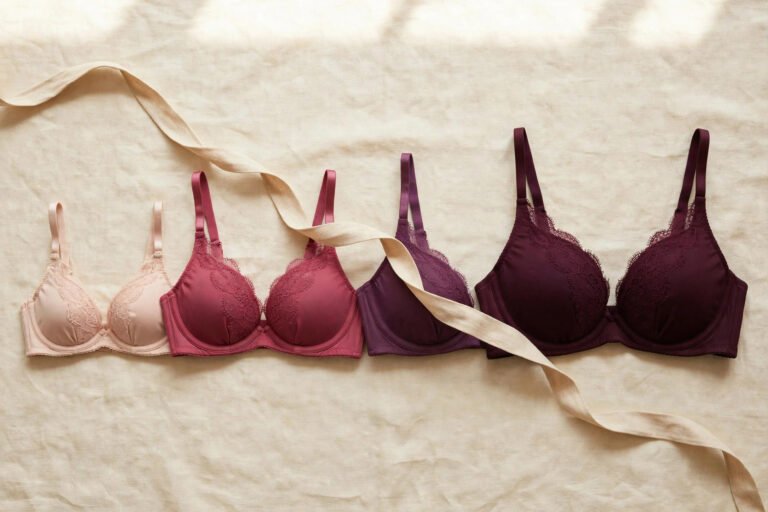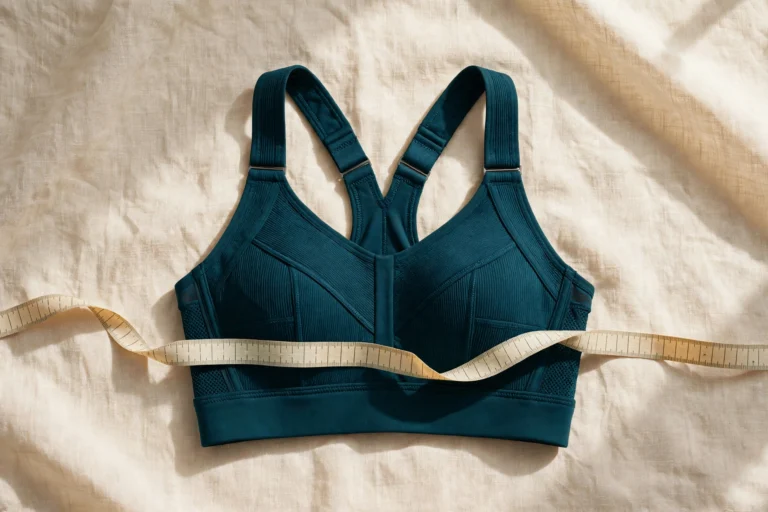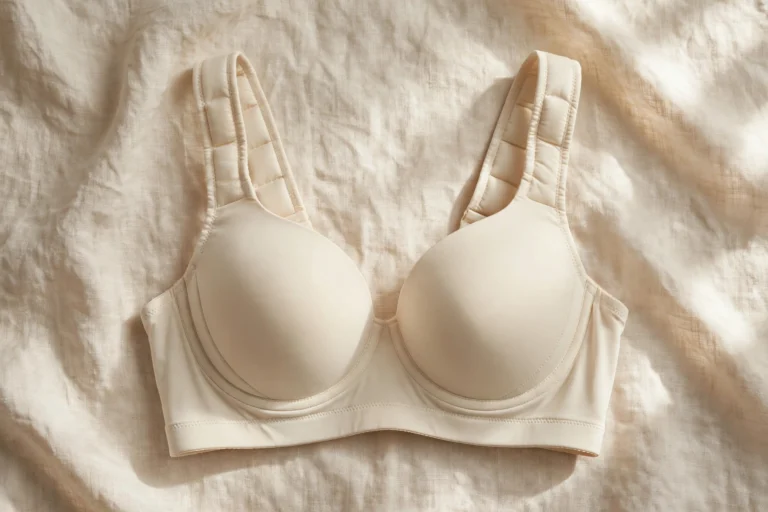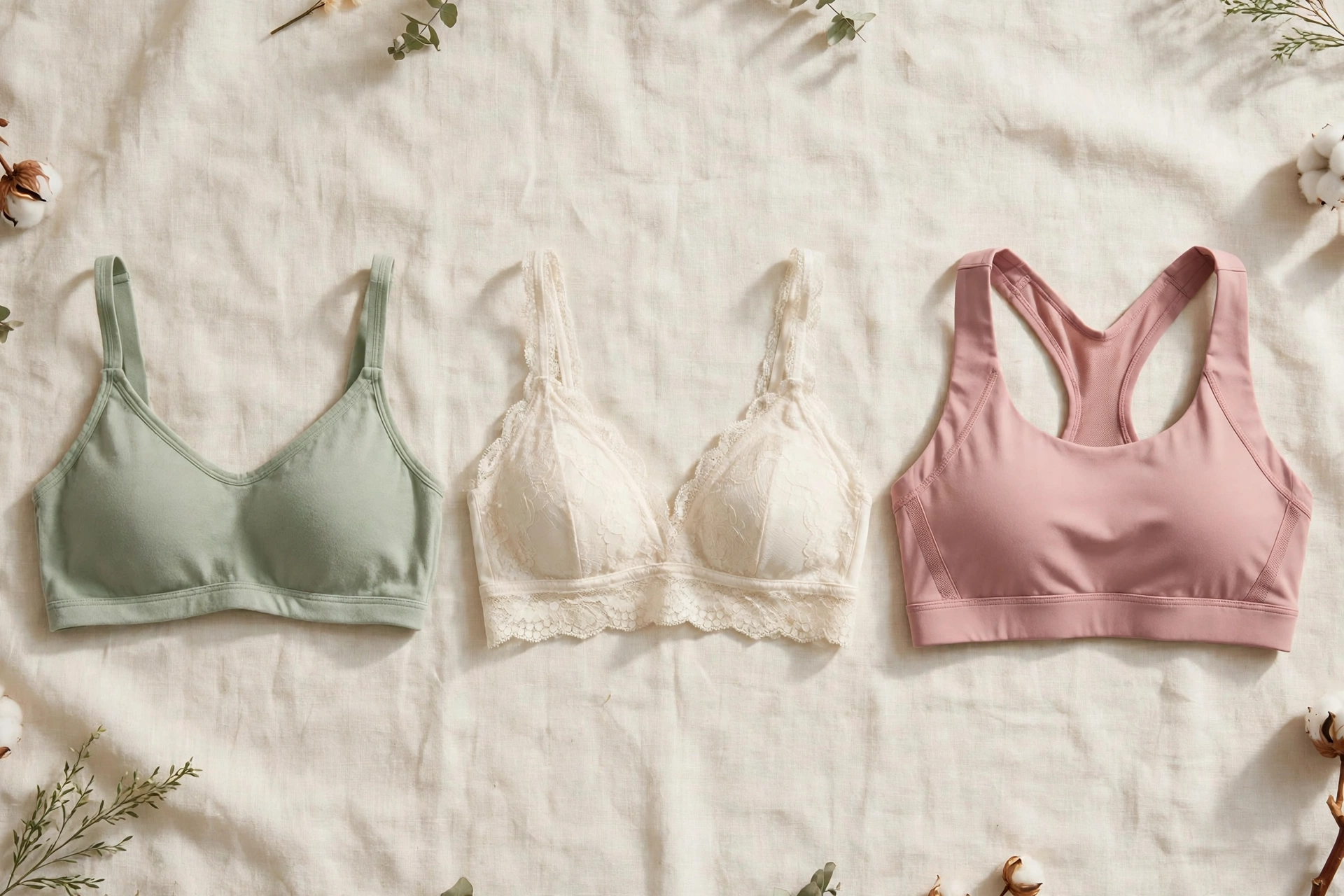
Training bra vs bralette vs sports bra is not a choice between three names for the same thing. The three styles do three different jobs, and the wrong one for the job is the reason most first bra purchases end up unworn in a drawer.
A training bra is the everyday first bra. A bralette is the soft, style led option she graduates to when she wants a choice. A sports bra is kit for activity, and only for activity.
No measuring method is prescribed here, and no measuring tool is linked. For size labels, our training bra size chart explains how to read any brand chart, column by column, without letting an age column decide. If the conversation itself feels awkward, start with our guide to talking with your daughter about bras.
The Short Answer: One Job Each
Buy a training bra first, for school and everyday wear. Add a sports bra second, for PE and dance. Add a bralette third, when she wants a say in style. Judge each style over a full school day, or a full PE lesson, and keep only what passes.
What a Training Bra Is
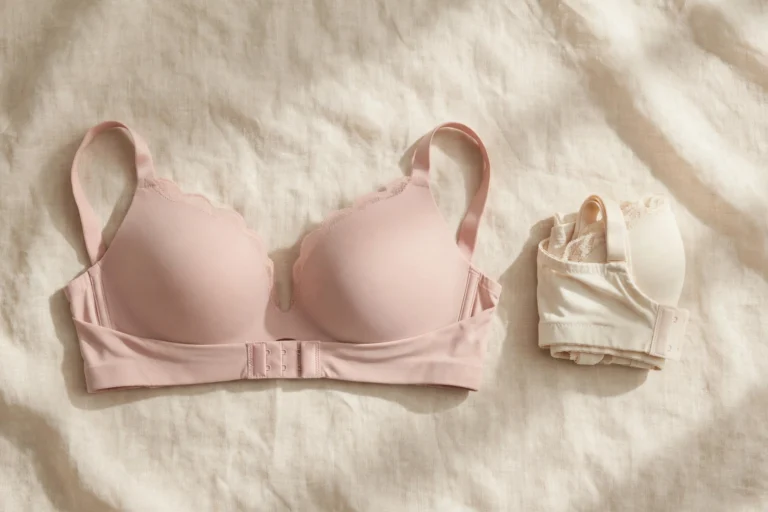
A training bra is the first bra most girls meet. It is soft, wirefree, and lightly structured: a band and straps, a layer or two of coverage, usually cotton, and no adult cups. The name is a marketing term, not a developmental stage. Nothing is being trained. It gives gentle coverage and light support while she gets used to wearing a bra at all.
Yellowberry, a tween bra maker, places it between a traditional bra and a bralette: more structure than a bralette, less constriction than a sports bra. A training bra is the best default first bra because it asks the least of her and covers the most school days. Training bras use alpha labels, from XS to XL, or band labels, such as 28 to 38, depending on the brand. A label is a brand shorthand, not a shared standard.
What a Bralette Is
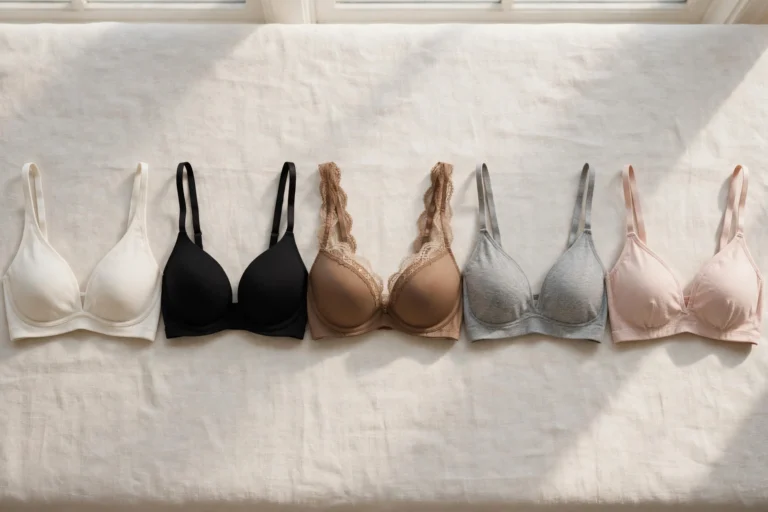
A bralette is a soft, unpadded, pull on bra with no wires and no structured cups. It holds its shape with an elastic band, and it comes in fabrics from cotton to lace, and many necklines. Bralettes are worn by teens and adults alike.
The tradeoff is support. Yellowberry is plain about it: a bralette ranks lowest of the three styles for support, because its fabric is flexible and its construction is light. A bralette is a comfort and style choice for everyday wear, not a support choice for activity. It suits a girl who already wears a training bra comfortably and wants a different neckline or fabric. It does not suit a first purchase.
What a Sports Bra Is
A sports bra is engineered for movement. It uses more durable, more elastic materials, holds tissue in place during activity, and often layers fabric to wick sweat. Straps are usually wider, the band usually snugger, and the garment is built to stay put when she runs, jumps, and changes direction.
Sports bras come in support levels, low, medium, and high, matched to the activity. The label on the packet is a manufacturer claim, not a measured result. For a tween, a light or low support style is usually the right starting point, because her activity is school PE and dance, not adult training.
A sports bra is the right second purchase, not the right first one. It solves bounce and rub during activity, and it creates a problem the other two styles do not have: a snug, compressive fit feels restrictive across a full school day. Buy it for the hours she moves, and let the training bra cover the hours she sits.
Training Bra vs Bralette vs Sports Bra at a Glance
Read across a row to compare one feature.
| Feature | Training bra | Bralette | Sports bra |
|---|---|---|---|
| Purpose | Everyday first coverage and light support | Soft everyday wear with a style choice | Limiting movement during sport |
| Support | Light, gentle coverage | Lowest of the three | Low to high by activity, the firmest |
| Construction | Wirefree, band and straps, a layer or two, usually cotton | Wirefree, elastic band, no structured cups | Wirefree at this stage, elastic, often layered to wick sweat |
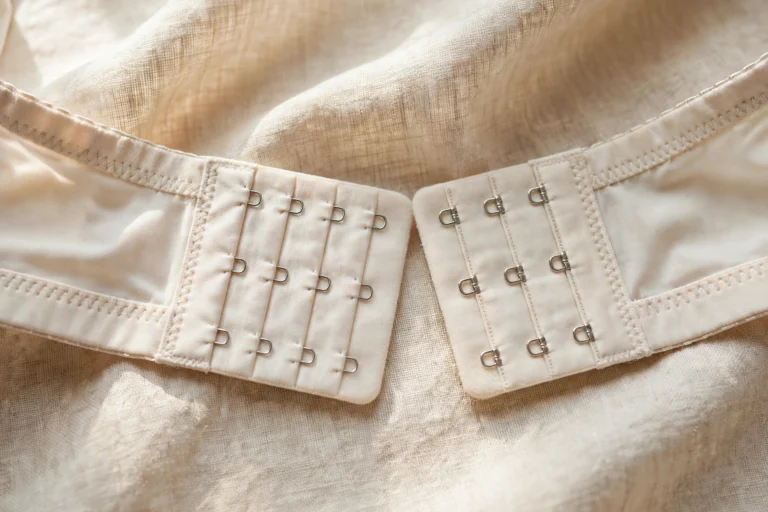
| Closure | Pull on, or a small back fastening | Pull on, almost always | Pull on, almost always at this stage |
| Adjustability | Adjustable straps on many styles | Adjustable straps on many styles | Adjustable straps on some; many are fixed racerback or tank shapes |
| Best for | School days, everyday wear, a first bra | Everyday wear, when she wants a style choice | PE, dance, running, any activity with bounce or rub |
| When it stops working | When a stretch crop no longer contains comfortably | When she needs more support for activity | When worn all day as an everyday bra |
Longline crop tops sit between a bralette and a sports bra. Our guide to sports crop vs sports bra sorts that overlap out, so this article does not repeat it.
Which to Buy First, and in What Order
First, the training bra. Buy one, in a neutral colour or her favourite colour, with adjustable straps where you can get them. If it passes a full school day, buy a second in the same style. A multipack is good value only after one has been worn and asked for again. Our guide to how to buy the first bra for a tween walks through that first purchase, including four fresh styles and a 60 second fit check.
Second, the sports bra. Add it when PE, dance, or running around starts to bounce or rub. Buy a light support style first, from that brand chart, and judge it across a full PE lesson, not in the shop. One sports bra is enough to start, because it is worn for hours at a time rather than all day.
Third, the bralette. Add it when she asks for a different style. Let her choose the neckline and the fabric. A bralette she chose herself gets worn. Style is her decision once comfort is settled, and not before.
How to Tell Which One She Actually Needs
She needs a training bra when breast buds have appeared, thin school shirts start to show them, or she wants coverage under everyday tops. Our guide to signs you need your first bra covers each sign in more detail, including when a question belongs with a pediatrician.
She needs a bralette when she already wears a training bra comfortably, but wants a different neckline, a softer fabric, or a style that feels more like her own choice. The sign is preference, not a physical change.
She needs a sports bra when movement is the problem. She holds her arms across her chest when she runs, she mentions bouncing or soreness after sport, or she avoids activities she used to enjoy. Neither a training bra nor a bralette can fix bounce, because neither is built to hold tissue in place during activity. Do not dismiss this sign as drama: discomfort during activity is the most functional reason on this list.
She needs a different size, not a different style, when the band rides up, the straps keep slipping after adjustment, or the fabric bunches instead of lying smooth. Most first bra problems are size problems, and a different size of the same soft style usually fixes them.
If she is sensitive to seams, tags, or elastic, read our guide to bras for sensory issues before you buy.
Common Mistakes
Buying a sports bra for everyday wear. A sports bra is built to compress and hold still, which is exactly what makes it uncomfortable across a full school day.
Buying a bralette for PE. A bralette ranks lowest for support, and PE is the one school activity where support is the whole job.
Sizing up to grow into. A loose band rides up, rubs, and shifts all day, and she will stop wearing the bra long before she grows into it. Buy the size that fits today, and recheck after a growth spurt. Comfort across a full day beats a perfect looking row on paper.
Our bra shopping checklist for parents covers the shopping trip itself, from letting her choose to keeping the receipt until after the first full day.
Care, and How Many of Each
Buy two or three training bras to start, one to wear, one in the wash, and one spare. Add one sports bra when activity calls for it. Add one bralette when she asks for a style choice.
Wash before the first school day if the care label allows it. Most soft styles last longer washed cold and air dried, because heat and tumbling wear elastic out faster. Keep the receipt and the tags until after the first full day. Recheck the fit whenever a fit sign appears, and again after a growth spurt.
Frequently Asked Questions
Can a sports bra be worn as a training bra every day?
It can be worn, but it should not be the everyday bra. A sports bra is built for activity, and its snug, compressive fit feels restrictive across a full school day. Use it for PE and dance, and a training bra for school hours.
Is a bralette the same as a training bra?
No, although they look similar on a hanger. A training bra is a first garment for a developing bust, with a band and straps and a layer or two of coverage. A bralette is a soft, style led everyday bra with an elastic band and no structured cups. That makes it a third purchase, not a first one.
Training bra vs bralette vs sports bra: which is best for PE?
A sports bra, every time. Buy a light support style for school PE, and judge it across a full lesson.
What age should she switch from a training bra to a bralette?
There is no set age. Switch when she asks for a style choice and already wears a training bra comfortably, not at a birthday.
How do I choose the size for each style?
Use the chart for the exact style you are buying, and read one row across, from label to cross reference. Do not guess from age, and do not carry a label from one brand to another. Our training bra size chart explains the chart columns and the fit signs that mean a size is outgrown.
What if she hates all three styles?
Do not force it. Offer a soft camisole or a crop top as a middle step. Resistance is usually embarrassment or not feeling ready, not a permanent position.
Your Next Step
Pick the job first, then the style. Everyday wear means a training bra, activity means a sports bra, and a style choice means a bralette. Buy one, and judge it over a full day of the job it was bought for.