The best bras for small chests teens are the ones with less cup to fill, not more padding to add. For an AA or an A cup, the right starting point is a lightly lined T-shirt bra with shallow cups, a demi, or a soft bralette style, each checked against the band first. A smaller bust is a normal variation, not a problem to correct, and the bra that fits it best is the one that sits flat, stays put, and feels like nothing by the end of the school day.
Most of the frustration families run into comes from buying a taller, fuller cup and then trying to fill the gap, when a shorter cup would have sat flat on its own. If a bra only works when it is stuffed with padding, the cup is the wrong shape, not the body. This guide is written for parents shopping with a teen, and for teens reading alongside a parent. The adult version of this ground lives in our guide to bras for small busts, and sports support is answered activity by activity in our guide on whether small breasts need support.
The Best Bras for Small Chests Teens, at a Glance
| Construction | What it suits | Watch for |
|---|---|---|
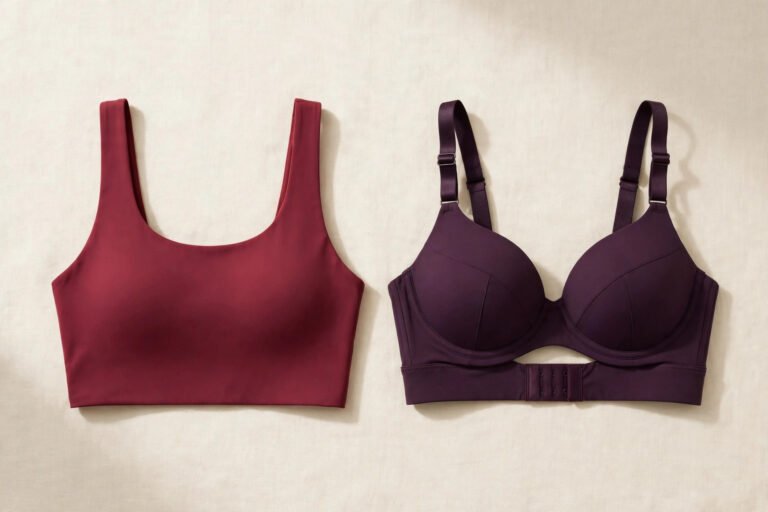
| Lightly lined T-shirt bra | Everyday under fitted tops; smooths without bulk | A tall moulded cup can still gape, so choose a shallow cut |
| Demi | Less cup to fill, so the top edge sits flat; good under scoop necklines | A demi that cuts across the fullest point can spill |
| Bralette style, everyday | Comfort first; no rigid cup to stand away from the body | Less structure, so the band has to do the work |
| Wireless soft cup | All day comfort; nothing to dig in or poke | Straps and band must adjust short enough, or the bra will drift |
| Underwire, shallow cup | Shape and a defined outline under fitted clothes | The wire must sit flat against the ribcage, never on breast tissue |
Five constructions, one rule running through all of them: the cup should be shallow enough to follow the shape, and the band should be firm enough to hold the bra in place.
Lightly Lined T-Shirt Bras: The Everyday Default
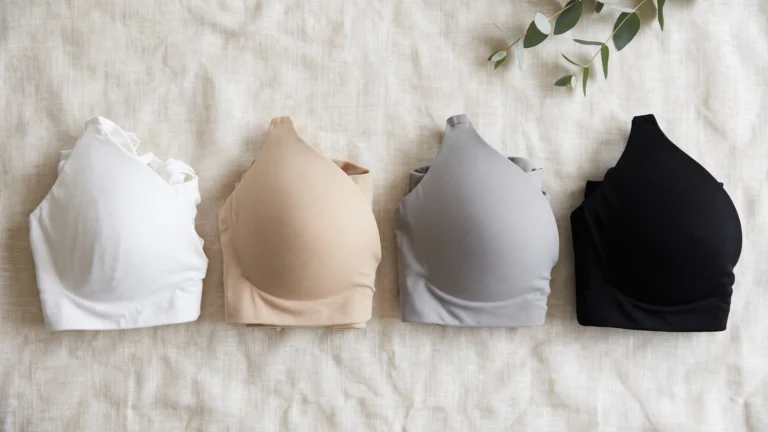
The lightly lined T-shirt bra is where most teens with a smaller bust should start. The light lining smooths the outline under a fitted top, gives a little shape, and disappears under a school uniform or a plain T-shirt. The detail that matters is the cup depth, not the lining: a lightly lined cup can still be tall and deep, and a tall deep cup will gape on a smaller bust exactly the same way a full coverage cup does. Look for a cup described as shallow, or one that looks wider than it is deep when you hold it up. ThirdLove describes its T-shirt bra as a smooth, lightly lined everyday bra with memory foam cups that mould to the shape, and StylePhyle names the lightly lined T-shirt bra with shallow cups and a firm band the best everyday pick for a very small bust.
Try it this way. Fasten the bra on the loosest hook, then look at the top edge of the cup in the mirror. If the edge lies flat against the body, the cup depth is right. If it stands away or wrinkles, the cup is too tall or too deep for the shape, and no amount of strap tightening will fix it. Tightening the straps to pull a gaping cup flat is the most common mistake in this size, and it only moves the problem to the shoulders. Buy the T-shirt bra in a neutral colour close to skin tone for school, and a second in black or white. Expect to replace it sooner than an adult bra, because a teen body is still growing. Our guide on how many bras a tween needs gives the starter count and the rotation that keeps each bra working longer.
Demi Bras: Less Cup to Fill
A demi bra covers roughly half to three quarters of the breast, which is exactly why it suits a smaller bust: there is simply less cup to fill, so there is less empty fabric at the top edge to gape. ThirdLove puts it directly: balconette and demi bras tend to have less cup to fill, making them better for slender breast shapes. BraFinder makes the same point from the gaping side: demi and balconette cups end below the gap line. A demi is also the most useful style under scoop necklines, because the lower top edge does not peek out.
The check is the top edge. It should lie flat against the body all the way across, with no digging in and no standing away. If the top edge cuts in, the cup is too small or the style is cutting across the fullest point, and the answer is a different cut rather than a bigger cup in the same style. If the top edge stands away, the cup is still too tall for the shape, and a bralette style or a shallower T-shirt bra is the better next try. A demi that fits is quiet under clothes; a demi that does not fit announces itself at the neckline. Demi styles vary more between brands than T-shirt bras do, so if the first demi gaps, try the same size in a different brand before changing size.
Bralette Style Everyday Bras: Comfort That Follows the Shape
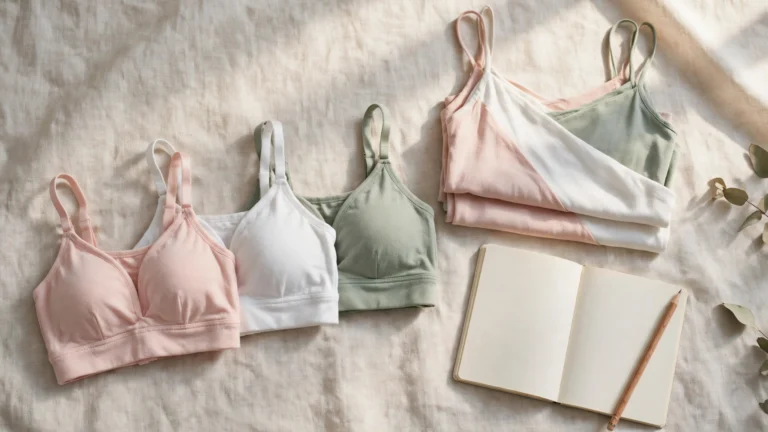
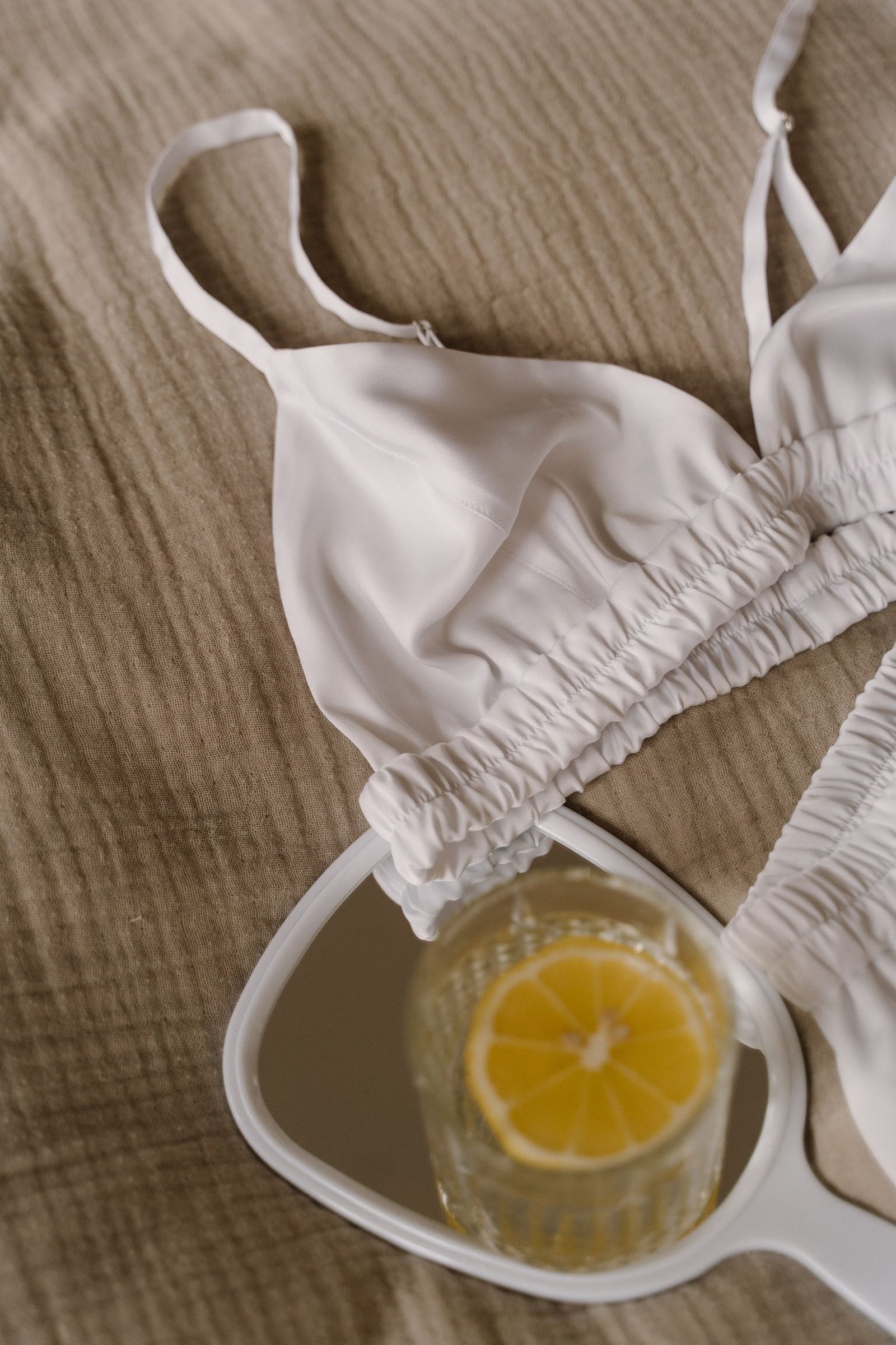
A bralette style bra has no rigid moulded cup, which is its whole advantage on a smaller bust: there is no dome to stand away from the body, so there is nothing to gape. The fabric follows the shape that is there, and the result is usually the most comfortable bra a teen owns. ThirdLove lists bralettes among the styles that suit smaller busts, and notes that they work well for most breast shapes under an E cup, which comfortably covers the AA to A range. Bralettes suit a teen moving out of a training bra, a relaxed day at home, and layering under loose tops.
The band does the work here, so check it first. A bralette with a loose band will ride up and drift, because there is no underwire and no moulded cup to hold the shape. Look for a wide underband that sits level all the way around, and for straps that adjust, because a bralette with fixed straps cannot be shortened for a shorter torso. Our guide to bralettes for tweens covers the tween end of this ground in full. One caution, framed as a choice, not a rule: a bralette gives light support and a natural outline, not the defined shape of a moulded cup. Some teens prefer that, and some want more definition under a fitted top. Both preferences are fine, and the right answer is the one the wearer is comfortable in.
Wireless vs Underwire for a Smaller Bust
Parents ask this question more than any other, and the honest answer is that both work for a smaller bust, for different reasons. The choice is about comfort and preference, not about need, because an AA or an A cup does not require an underwire for support. What it requires is a band that holds and cups that lie flat, and both wireless and underwire styles can do that.
Wireless wins on comfort. There is nothing to dig in, nothing to poke through the fabric after a few washes, and nothing to press against the ribcage during a long school day. The trade off is shape: a wireless bra gives a natural outline rather than a defined one. If a teen prefers a defined shape, that is a styling preference, and it is a good reason to own one underwire bra alongside the wireless ones, not a reason to wear underwire every day.
Underwire wins on definition. A shallow underwire cup gives a defined outline under fitted clothes, and for a teen who wants that look, it is the right tool. The check is strict: the wire must sit flat against the ribcage all the way around, with the centre of the wire resting on the breastbone, never on breast tissue. If the wire sits on tissue at the sides, the cup is too small. If the wire lifts away from the chest at the centre, the cup is too deep or the shape is wrong. Either fault means a different style, not a tighter band. A practical split for the starter wardrobe is two wireless to one underwire. Two wireless bras cover most school days in comfort, and one underwire covers the fitted tops. Our guide on best bras for school covers everyday school comfort in the same spirit.
What to Check on Fit: Band First, Then Cup Gaping, Then Strap Length
Fit checks for a smaller bust run in a fixed order: band first, then cup, then straps. Checking in any other order leads to the wrong fix, usually a tighter strap or a bigger cup.
The band comes first
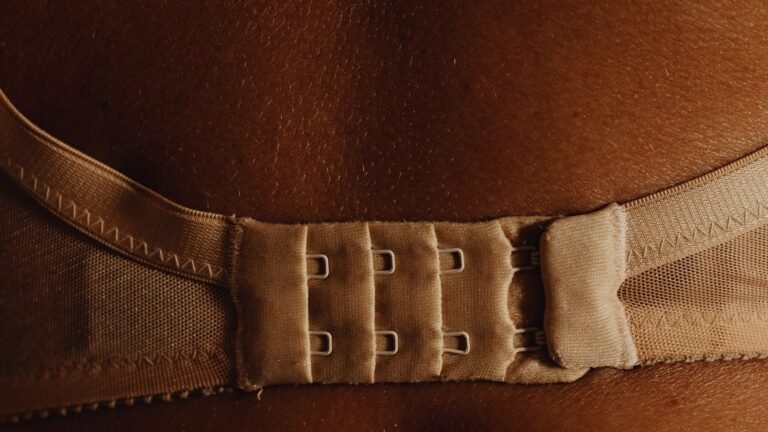
The band does most of the support work, in every size and at every age. Fasten a new bra on the loosest hook, and check that the band sits level all the way around, front and back. Slide two fingers underneath at the back: they should fit snugly, and the band should not ride up when the arms are raised. If the band rides up, it is too loose, and the fix is a smaller band with a cup letter up to hold the same volume, a sister size change. A loose band hands the support job to the straps, and straps cannot do it. Small bands are the hardest part of shopping in this size, because many shops start their range at 32 and stop at A. Lingerie Mantra notes that brands built only for AA to B cups exist precisely because mainstream ranges thin out at the small end, so if the band that fits is a 30 or a 28, expect to shop online or in a specialist store.
Cup gaping: size or shape
Gaping has two causes, and telling them apart saves a lot of returns. The first is cup size: the cup is simply too big, and the top edge has nothing to hold. The second is cup shape: the cup is the right size but too tall or too deep for the shape, so it stands away from the body even though the volume is right. BraFinder states the shape cause plainly: the top of the cup is cut for more upper fullness than the wearer has.
The test is simple. Go down one cup size and keep the band. If the smaller cup lies flat, the first cup was too big. If the smaller cup overflows at the bottom while the top still gapes, the volume was right and the shape was wrong, so switch constructions: a demi, a balconette, or a stretch-top cup that collapses to sit flush. Padding is not the fix for either cause. A push-up pad fills a gap by adding volume the body does not have, and the gap returns the moment the pad shifts. Padding is a personal styling choice, and it is fine when a teen chooses it for the look she wants, but it should never be sold as the solution to a fit problem.
Strap length: the check everyone skips
Straps slip on a smaller bust for a simple reason: the torso is often shorter, and many straps do not adjust short enough. Check that the straps adjust to a length where they stay put without digging in. If the sliders are already at the shortest setting and the straps still slip, the bra is built for a longer torso, and the answer is a different brand, not a tighter strap. Centre-pull straps help. Straps that attach toward the middle of the back sit closer to the neck and slip less on narrow shoulders. StylePhyle names centre-pull straps and a racerback clip as the fast fixes for slipping straps. Straps should stay put on their own; if they only stay put because they are tight enough to leave marks, they are doing the band’s job, and the band is wrong.
What Not to Buy Yet
A full coverage moulded cup is the style most likely to gape on an AA or an A cup, because the tall, deep, rigid dome holds its shape whether the wearer fills it or not. Start with the shallower constructions above instead. A heavily padded push-up as a first bra teaches the wrong lesson: that the body needs correcting before it can be dressed. Padding is fine as a styling choice, but start with fit first. A minimizer is built to spread and flatten a larger bust, and it has nothing to do on a smaller one. A bra bought a size up “to grow into” will gap, slip, and ride up from the first wear. Buy the size that fits today, in two or three bras, and replace as she grows. Our guide on how to buy the first bra for a tween covers the first shopping trip in full.
Questions Parents Ask Most
Is an AA or an A cup normal for a teen?
Yes. AA and A cups are a normal variation, and there is no age at which a particular cup size should appear. Sizes change through the teen years as the body grows. No size should be predicted from age, and no chart can tell you what size a teen will be next year. The question that matters today is whether the bra she is wearing fits.
Does my daughter need a bra at all if she is an AA cup?
That is her decision, with a parent’s support, not a rule. Some teens want a bra for coverage and comfort under school clothes, some want one because their friends wear them, and some are happy without one for now. A light bralette or a soft wireless style is a comfortable middle ground for a teen who wants coverage without structure. Our guide on training bra vs bralette vs sports bra compares the three next steps after a training bra, and our training bra size chart explains how to read a size chart, for chart literacy only.
How many bras does a teen with a small bust need?
Three is the floor: one to wear, one in the wash, one resting. Five gives a full school week with a rest day for each bra, which keeps the elastic working longer. Our guide on how many bras a tween needs explains the count and the rotation in detail.
Should a teen with a small bust wear a sports bra every day?
No. A sports bra is built for activity, and wearing one all day is a comfort choice, not a requirement. For everyday wear, the lightly lined, demi, and bralette styles above are more comfortable and fit better under ordinary clothes. For sport itself, the support needed depends on the activity, not on the cup size, and our guide on whether small breasts need support answers it activity by activity.
The Short Version
The best bras for small chests teens are the ones with less cup to fill. Start with a lightly lined T-shirt bra with shallow cups, a demi, or a soft bralette style. Check the band first: level all the way around, snug on the loosest hook, two fingers sliding underneath. Check the cups next: if they gape, go down a cup or switch to a shallower construction before reaching for padding. Check the straps last: they should adjust short enough to stay put without digging in. Padding is a styling choice, never a correction, and a smaller bust needs nothing corrected. Buy the size that fits today, and let the wearer choose the styles she is comfortable in.